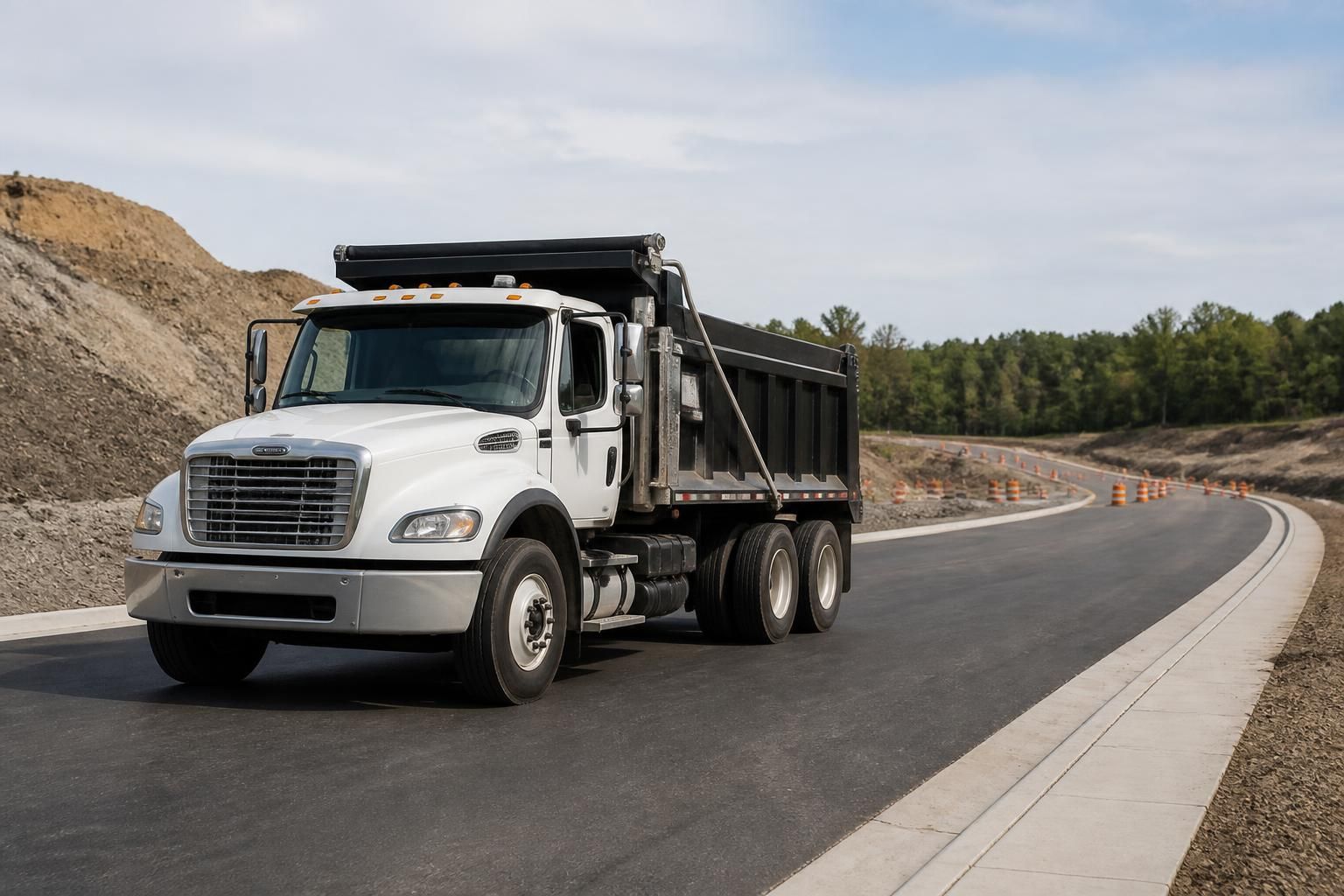
A dump truck collision can leave you facing painful injuries, a damaged vehicle, missed work, and unanswered questions about what happened. If the crash involved a loaded truck, a sharp turn, a work zone, or a sudden lane change, the path forward can feel overwhelming fast.
NJ Truck Accident Lawyer helps injured people sort through the facts after a dump truck crash and take the next step toward a claim for compensation. If you were hurt near Secaucus, New Jersey, we can review the collision, explain what matters most, and help you move from uncertainty to a focused legal plan.
Dump truck cases often demand fast attention because the evidence can disappear quickly. Driver logs, maintenance records, route details, load information, and vehicle damage can all matter. When a heavy commercial truck is involved, even a low-speed impact can cause major losses.
Secaucus traffic patterns can also make these cases more complicated. A crash may involve a truck moving through commercial corridors, industrial areas, or major roadway connections tied to New Jersey transportation routes. When a collision happens on a busy roadway, the reason for the crash may depend on more than one factor, including driver error, unsafe loading, or mechanical failure.
We start by learning what happened, what injuries you suffered, and what proof may still be available. From there, NJ Truck Accident Lawyer helps organize the claim around the details that matter most to insurers and defense counsel.
Our goal is to help you avoid giving insurers a recorded statement or incomplete account before the evidence is reviewed. Dump truck claims often turn on details that seem minor at first but become important later.
Dump truck accidents can happen for reasons that are very different from a passenger car crash. These vehicles are large, heavy, and often operating on tight schedules or job-specific routes. A strong case begins with identifying the actual cause, not just the visible damage.
A dump truck driver may follow too closely, turn too sharply, drift out of lane, speed, or fail to respond safely to changing traffic. Fatigue and distraction can also play a role. Because these trucks take longer to stop, small errors can trigger serious impact.
If the truck is overloaded or the load is not balanced correctly, the vehicle can become harder to control. A shifting load can affect braking, steering, and turning. In some cases, cargo handling decisions may contribute to the crash just as much as the driver’s actions.
Brake failure, tire problems, steering trouble, and other maintenance issues can make a dump truck dangerous on the road. When parts are worn or repairs are skipped, the question becomes whether the truck should have been operating at all.
Dump truck crashes often cause injuries that take time to fully understand. Some people leave the scene thinking they are sore or shaken, only to learn later that the harm is more serious.
We look at the full picture, not just the first medical visit. A serious truck crash can affect your life long after the vehicles are removed from the roadway.
Truck accident claims often depend on proof that is not obvious from the police report alone. The earlier the investigation begins, the more likely it is that useful records can be preserved.
Important evidence may include:
In a dump truck case, timing matters because companies often control much of the information. We work to identify what should be requested before it becomes harder to recover.
Secaucus sits near major New Jersey travel routes and heavy commercial traffic, which can shape how a dump truck crash unfolds and how the claim is investigated. Depending on the collision, a case may involve traffic patterns connected to the New Jersey Turnpike, I-95, Route 3, or nearby trucking and logistics movement that affects the area.
When a commercial vehicle crash happens near a major route, questions often arise about speed, lane changes, stopping distance, visibility, and whether the truck was operating safely for the conditions. Those details matter because a dump truck is not just another vehicle on the road. Its size, weight, and purpose can make the consequences much worse.
NJ Truck Accident Lawyer serves Secaucus and surrounding New Jersey communities, including areas where commercial traffic is part of everyday travel. If your crash happened while commuting, running errands, or traveling through a busy roadway connection, the legal analysis should match the reality of that setting.
Every case is different, but most dump truck claims follow a similar path. Knowing the sequence can make the process feel less confusing.
We also explain what not to do while a claim is pending, especially when the trucking side asks for broad statements or tries to shift blame early.
If you are recovering from a dump truck crash, the steps you take now can affect the strength of the claim later. Focus on your health and keep records that show what the collision changed for you.
We can help you understand whether the evidence points to driver error, unsafe loading, poor maintenance, or another cause that supports a claim.
Dump truck cases often involve more evidence, more possible responsible parties, and more serious injuries because the vehicle is heavier and the consequences are often greater.
Yes. Depending on the facts, the driver, the company, a maintenance provider, or another party tied to the truck operation may share responsibility.
That is common. We can review available records, witness information, and crash details to help identify the likely cause.
No. If you have been treated, those records can help, but you can contact us before everything is collected.
Yes. The load itself may be important evidence if it contributed to instability, braking problems, or the force of the collision.
The sooner you reach out, the better the chance of preserving important evidence and building the claim around accurate information.
If you were injured by a dump truck near Secaucus, New Jersey, NJ Truck Accident Lawyer can review the facts and help you pursue the next step with clarity.

Talk With Us Today
Tell us what happened, where the collision occurred, and what injuries or losses you are dealing with. We can help you take the next step toward understanding your legal options and possible compensation.